PORT Charity Funded - Gastric Alimetry at Great Ormond Street Hospital (GOSH)
PORT is proud to announce that our Charity has purchased a Gastric Alimetry for the Paediatric Gastroenterology Department of GOSH, at a cost of £31228.50.

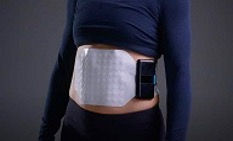
Gastric Alimetry is a new, non-invasive test that helps understand how the stomach is working. It uses a small array of sticky sensors placed on the skin over the stomach to record its natural electrical activity before and after a meal. At the same time, patients record any symptoms they experience. This gives us valuable information about how the stomach functions without the need for tubes, radiation or an operation.
At Great Ormond Street Hospital (GOSH), Gastric Alimetry is becoming part of the assessment for children with suspected stomach and intestinal motility disorders. It complements other specialist investigations such as oesophageal manometry, antroduodenal manometry, EndoFLIP, pH-impedance studies and gut transit tests, helping them to build a complete picture of the motility of the digestive system.
Children who may benefit from Gastric Alimetry include those with:
- chronic nausea or vomiting;
- disorders of gut–brain interaction;
- suspected gastroparesis or other stomach motility disorders;
- paediatric intestinal pseudo-obstruction (PIPO);
- feeding intolerance associated with neurological or mitochondrial conditions;
- gastrointestinal symptoms following surgery;
- ongoing upper gastrointestinal symptoms despite normal endoscopy or imaging.
The GOSH team provides the NHS England Highly Specialised Service (NHSE HSS) for children with Paediatric Intestinal Pseudo-Obstruction (PIPO), caring for patients from across England and working closely with referring hospitals throughout the UK. Gastric Alimetry is helping them better understand stomach involvement in children with PIPO, as the condition often affects different parts of the digestive tract. The test may identify abnormal stomach electrical activity that cannot be detected by routine imaging and, together with other specialist investigations, helps us plan the most appropriate treatment and monitor progress over time
Gastric Alimetry can help the team at GOSH
identify when symptoms are caused by abnormal stomach function;
distinguish stomach muscle and nerve problems from disorders of gut–brain interaction;
decide which treatments are most likely to help;
determine whether more invasive tests, such as antroduodenal manometry, are needed;
monitor how the stomach responds to treatment over time.
One of the biggest advantages of Gastric Alimetry is that it is completely non-invasive. It does not involve radiation or sedation, is well tolerated by most children, and can be safely repeated to monitor changes over time. This means some children may be able to avoid more invasive investigations while still receiving a detailed assessment of their stomach function.
Gastric Alimetry is an important part of the research programme in paediatric neurogastroenterology and motility. By combining Gastric Alimetry with other investigations, including manometry, imaging and genetic studies, we hope to improve the understanding of rare gastrointestinal motility disorders, develop more personalised treatments and improve outcomes for children living with these complex conditions.
GOSH are extremely grateful to PORT for funding this important piece of equipment which will benefit many children.


Comments